
The Pioneers and the Palette: A Deep Dive into the History of Canadian Whisky
Welcome back to the Spirit for Us blog.
As an independent bottler, I spend my days hunting for "hidden gems" and working with the incredible liquid our country produces. But to truly elevate our appreciation for the Canadian craft movement, we have to look backward. You can't fully appreciate the nuance of what’s in your glass today without understanding the history that got it there.
The story of Canadian whisky runs from frontier grist mills to a billion-dollar global export industry. It is a narrative shaped at every turn by our rugged geography, our unforgiving climate, and the distinct, technical genius of our master blenders.
Today, we are taking a look back at the roots of Canada's native spirit, the grains that define it, and the unique blending process that sets us apart from the rest of the world.
The Evolution of the Grain: How Wheat Conceded to Rye
It might surprise you to learn that the earliest Canadian whiskies had almost nothing to do with rye. In the late 18th and early 19th centuries, distilling was largely a pragmatic, zero-waste side-business for local gristmills. Farmers would bring their surplus grain to the mill, and whatever couldn't be sold as flour was distilled into raw alcohol to prevent it from spoiling. Because wheat grew abundantly in early Canada, it was our principal, original whisky grain.
Everything changed with the arrival of German and Dutch immigrants. Bringing their European distilling traditions with them, they began adding small amounts of highly flavorful, spicy rye grain to their mashes to boost the character of the otherwise soft, plain wheat spirit.
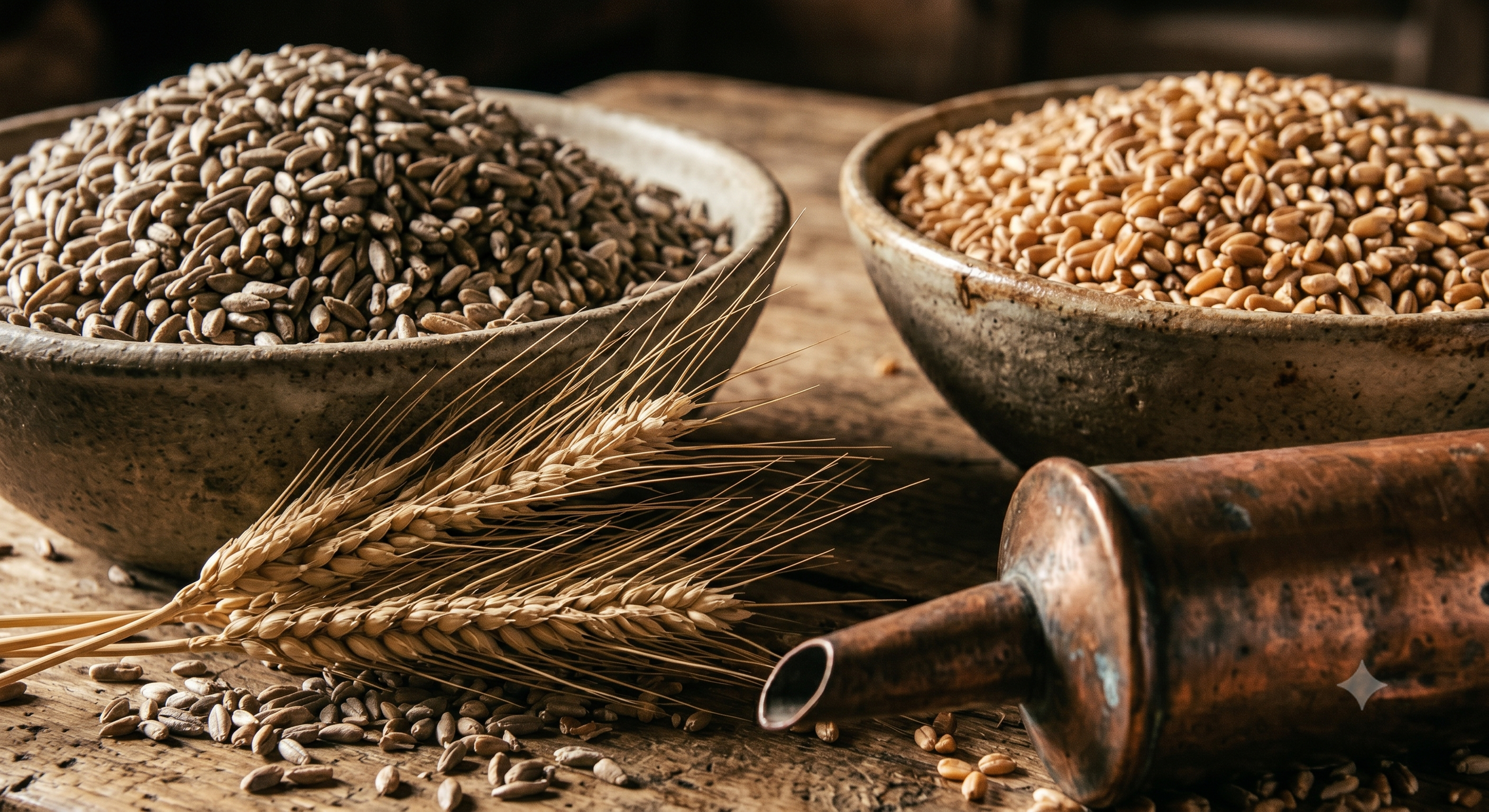
Close-up of raw rye and wheat grains, representing the historic foundation of Canadian whisky.
This new, robust, and spicy style became so wildly popular that customers walking into gristmills started specifically demanding "that rye whisky." The nickname stuck permanently. Today, even though the vast majority of Canadian whisky uses corn as its high-yield base grain, the entire category is still colloquially referred to worldwide as "Rye Whisky"—even if the actual rye content in a specific bottle is relatively small.
The Titans of Canadian Whisky
The light, elegant, and highly mixable style of Canadian whisky we know today was heavily influenced by the transition from small mill operations to massive, industrial-scale distilleries in the 19th century. A handful of pioneers built the foundation of the modern industry:
| Pioneer & Year | Historic Milestone | Contribution to the Craft |
|---|---|---|
|
John Molson (1801) |
Purchased a copper pot still in Montreal previously used for rum. | Launched Canada's very first commercial-scale whisky production. |
|
Gooderham & Worts (1837) |
Pivoted a Toronto windmill operation into a massive distilling footprint. | By the 1860s, they ran one of the largest distilleries in the entire world (now Toronto's historic Distillery District). |
|
Hiram Walker (1858) |
An American who moved to Windsor, Ontario to build his empire. | Championed "barrel blending," creating a consistent, globally dominant formula that would become Canadian Club. |
|
Joseph Seagram (1864) |
Took over a Waterloo flour mill and distillery, building a global giant. | Cemented Canadian luxury whisky on the world stage, famously creating Crown Royal in 1939. |
Other legends like J.P. Wiser, who introduced a highly successful rye whisky in Prescott, Ontario, and Henry Corby further cemented Ontario's status as the historic powerhouse of Canadian distilling. They proved that Canadian spirits could compete on a global stage—a legacy that today’s craft distillers are continuing to honor and push forward.

Gooderham & Worts 19th-century Canadian distilling pioneers.
The Art of Canadian Blending: A Liquid Canvas
If there is one thing I want you to take away from this article, it is how we blend. This is the true, undisputed superpower of Canadian whisky, and it's where the "science meets the soul" of our industry.
Unlike Bourbon, where different grains (corn, rye, barley) are cooked, fermented, and distilled together in a single "mash bill," Canadian distillers generally keep everything separate. We mill, ferment, distill, and age our corn, rye, wheat, and barley individually. We only blend them together as mature whiskies at the very end of the process.
This is typically executed using a precise, two-stream system:
The Base Whisky: Distilled to a very high proof (usually from corn or wheat) and aged in used barrels. This creates a beautifully smooth, delicate, and light canvas.
The Flavoring Whisky: Distilled to a lower proof (usually from rye or malted barley) to intentionally retain all those heavy, rich grain oils and flavor compounds. It is often aged in virgin oak or highly active casks to extract maximum spice, vanilla, and wood character.
[Milled & Aged Separately]
   ├── Corn Base Whisky (High Proof / Smooth Canvas) ──────┐
   │                                                       ▼                                                                               |
   └── Rye Flavoring Whisky (Low Proof / Rich Oils) ───► [ THE FINAL BLEND ]
By treating the grains individually, master blenders have an incredible palette of specific, fine-tuned flavors to work with. They don't have to guess how a mash bill will turn out after years in wood; instead, they can dial in the exact amount of rye spice, corn sweetness, or oak tannin required for a flawless, balanced release.
🧪 The Technical Deep Dive: The 9.09% Rule
Canada also possesses a unique legislative quirk known to whisky geeks as the 1/11th or 9.09% rule. This regulation allows a blender to include up to 9.09% of an aged imported spirit or non-whisky wine (such as Oloroso sherry, port, or even a straight bourbon) into the final blend, provided the product maintains its Canadian whisky character.
Why it matters: While historically introduced in the late 19th century as a tax and customs benefit for cross-border trade with the US, today it acts as an incredible innovation tool. It gives blenders permission to introduce phenomenal layers of complexity, depth, and unique finishes directly into the liquid's DNA.
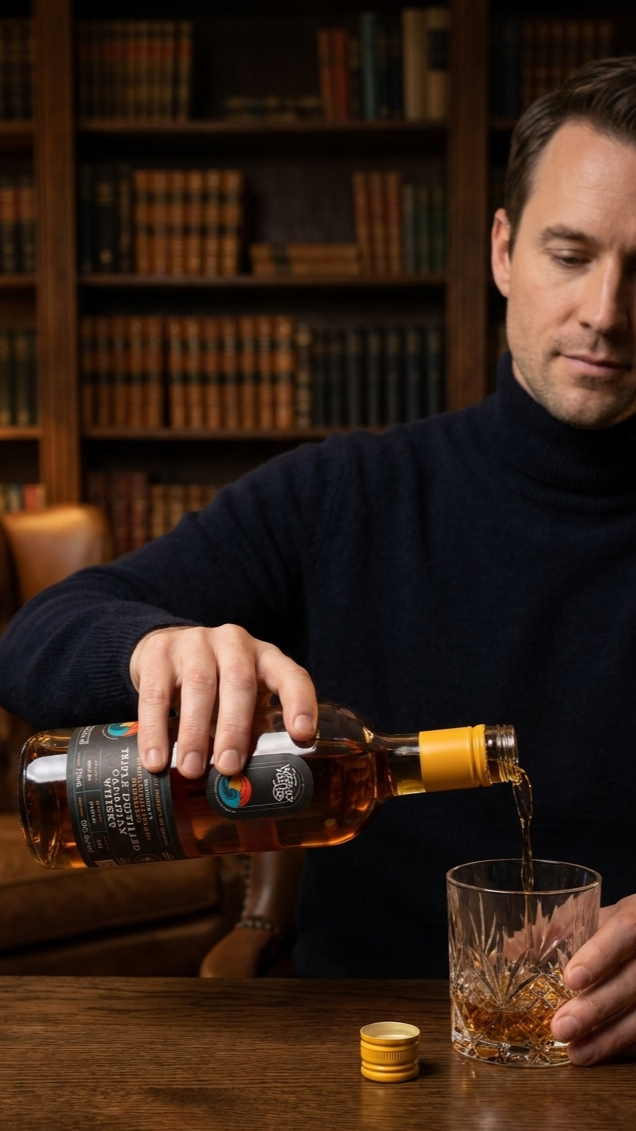
Join the Rising Tide
Here at Spirit for Us, we believe that a rising tide lifts all boats. We are incredibly proud to be a small part of this continuing, living history. Every independent cask we select, evaluate, and bottle is a direct testament to the pioneers who built this industry and the modern craft distillers who keep innovating across the Canadian landscape today.
The next time you pour a dram of Canadian whisky, take a moment to look past the label. Appreciate the decades of tradition, the individual grain manipulation, and the blending mastery that sits inside your glass.
Whether you are exploring an award-winning single malt or a beautifully structured historic blend, let's keep exploring the craft together—one drop at a time.
Explore our latest releases and taste a piece of Canadian history for yourself.
Cheers,
The Spirit For Us Team
If you loved this deep dive into the science and history of Canadian whisky, make sure to subscribe to our newsletter below for more articles, behind-the-scenes distillery stories, and exclusive access to our upcoming limited cask releases!